Digipay “Simplifying shared payments between friends”

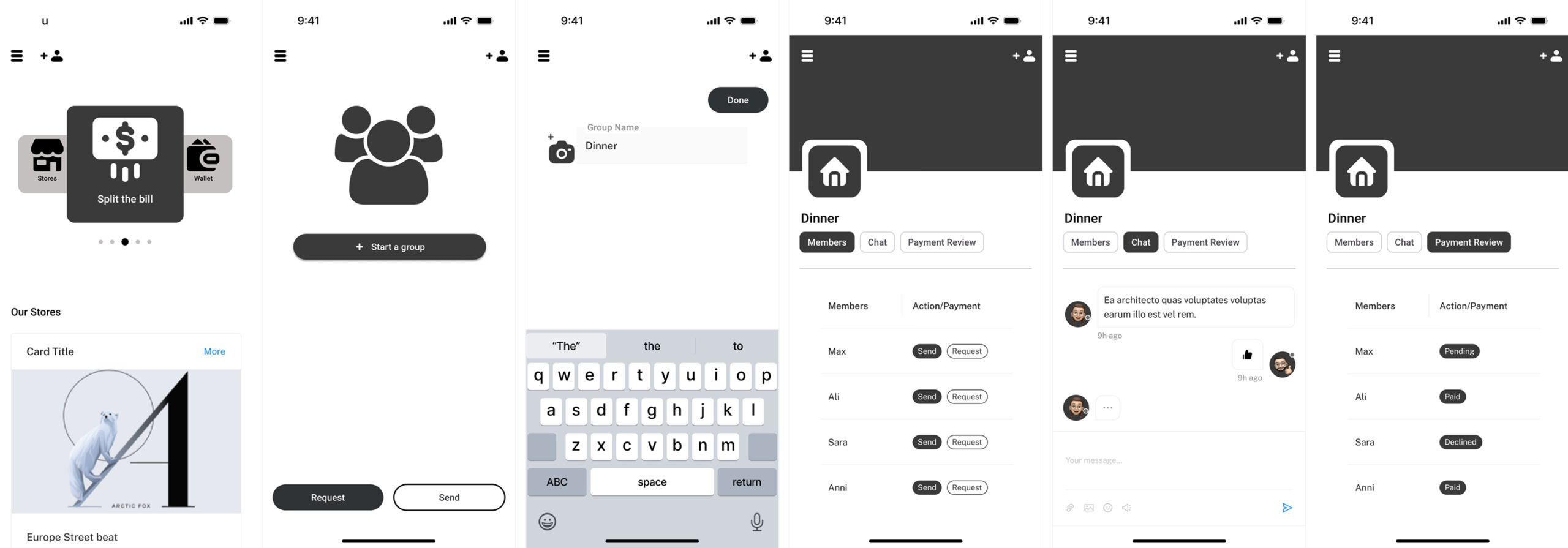
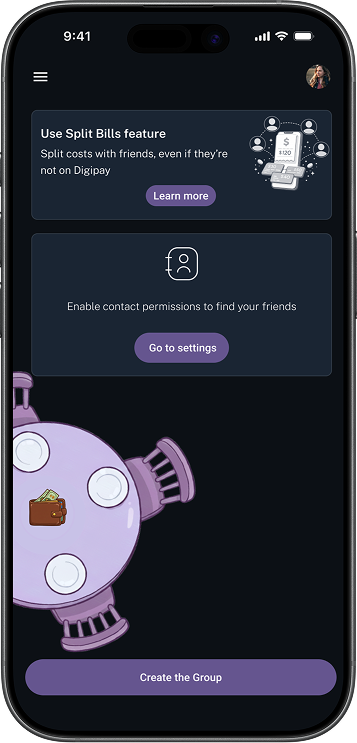
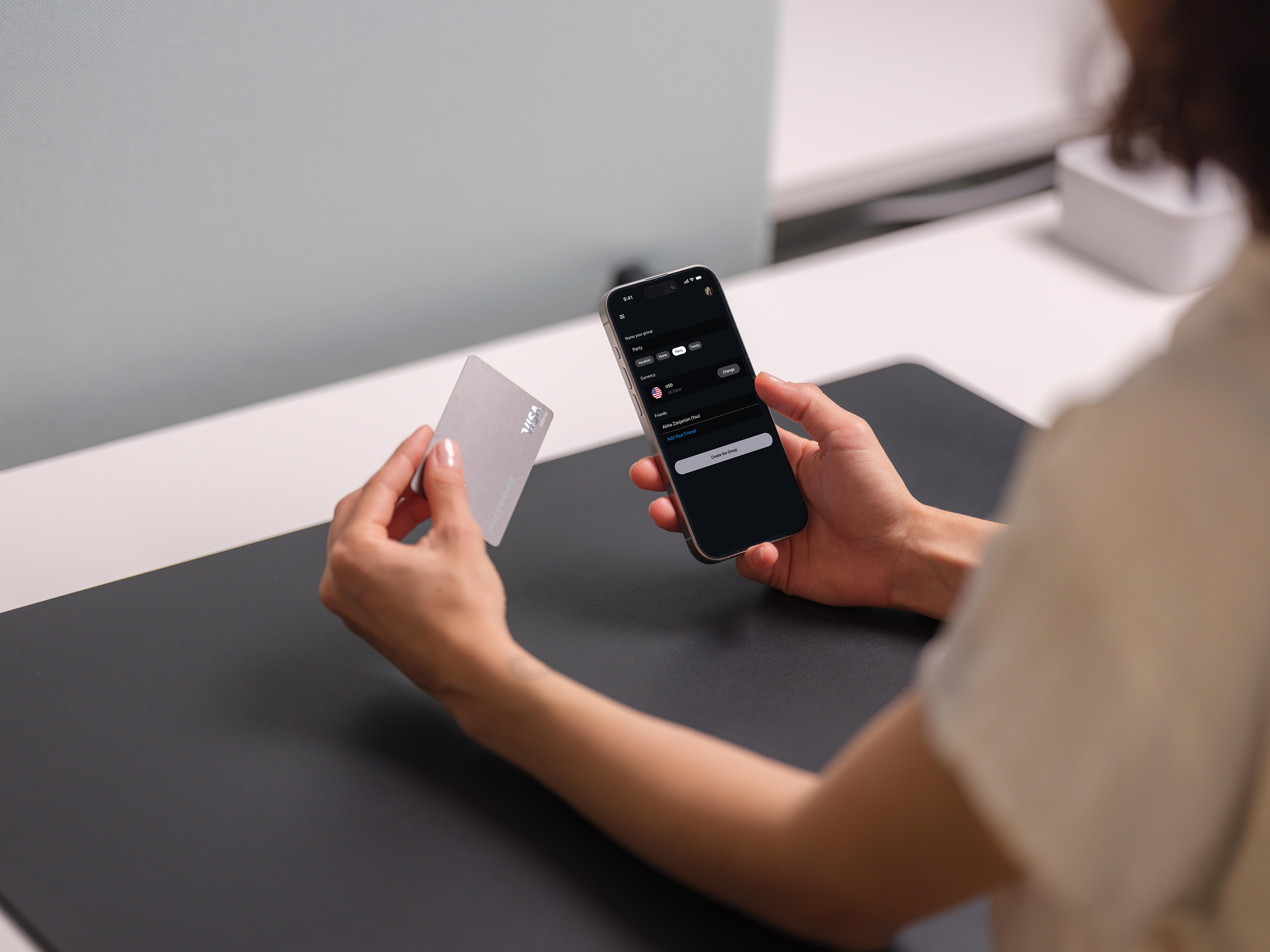
Digipay is a peer-to-peer fintech app offering a range of everyday financial services. In this project, I focused on designing the “Split the Bill” feature, a solution that helps users divide shared expenses, track payments, and settle balances without friction. The goal was to improve the experience of managing group expenses, a common yet often frustrating part of social life.

Company: Digipay | 2025-2026

Industry: B2C | Fintech
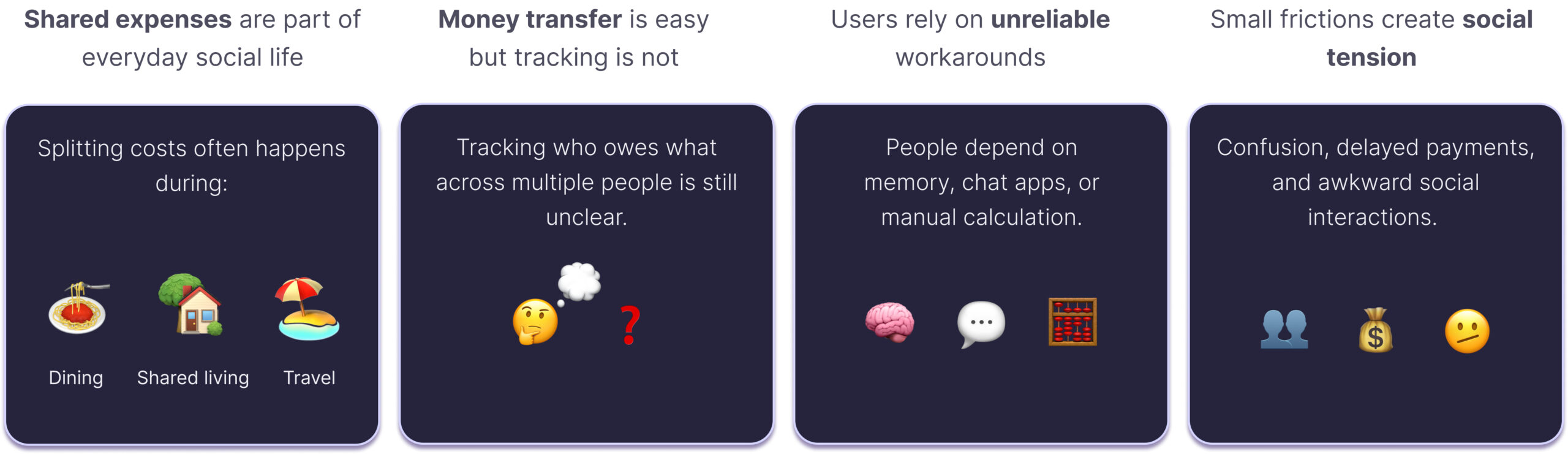
As the product designer for DigiPay’s ''Split the bills'' feature, I led the process from problem definition to validation. I conducted research, designed user flows and high-fidelity prototypes, and aligned user needs with business goals to create a clear, low-friction group payment experience.

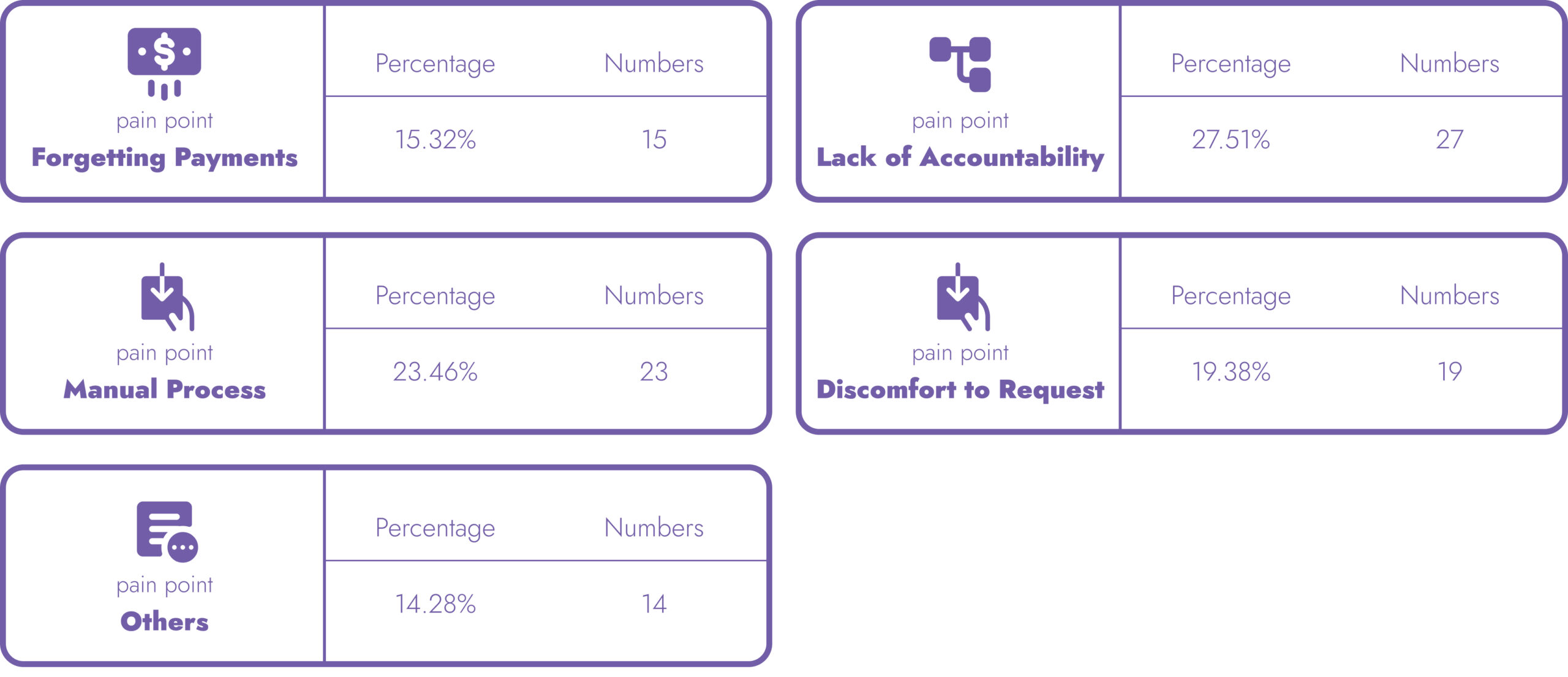
What is the problem?

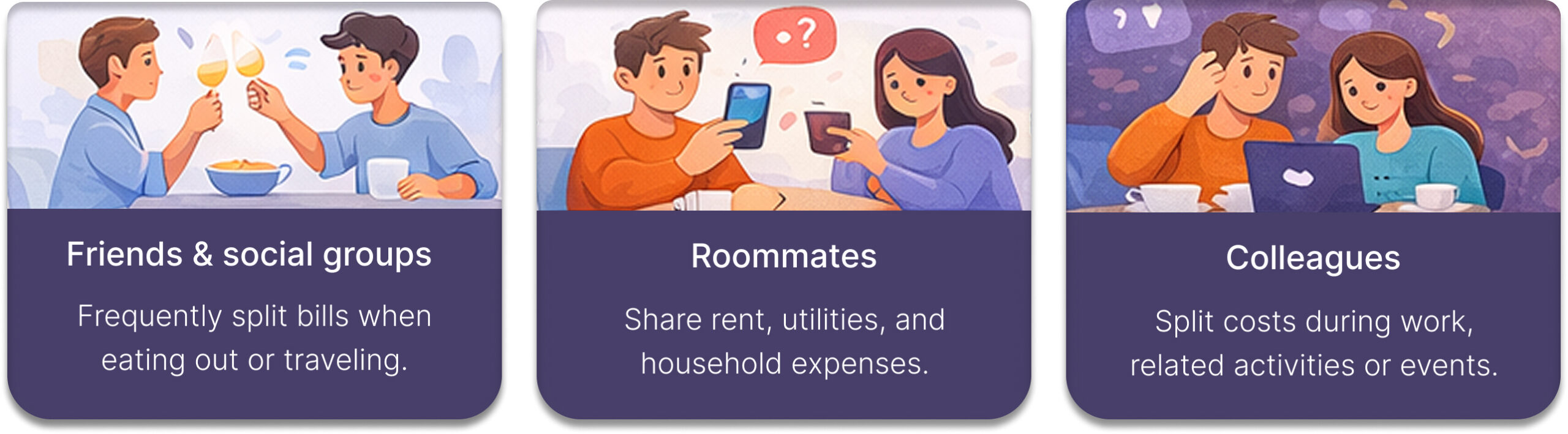
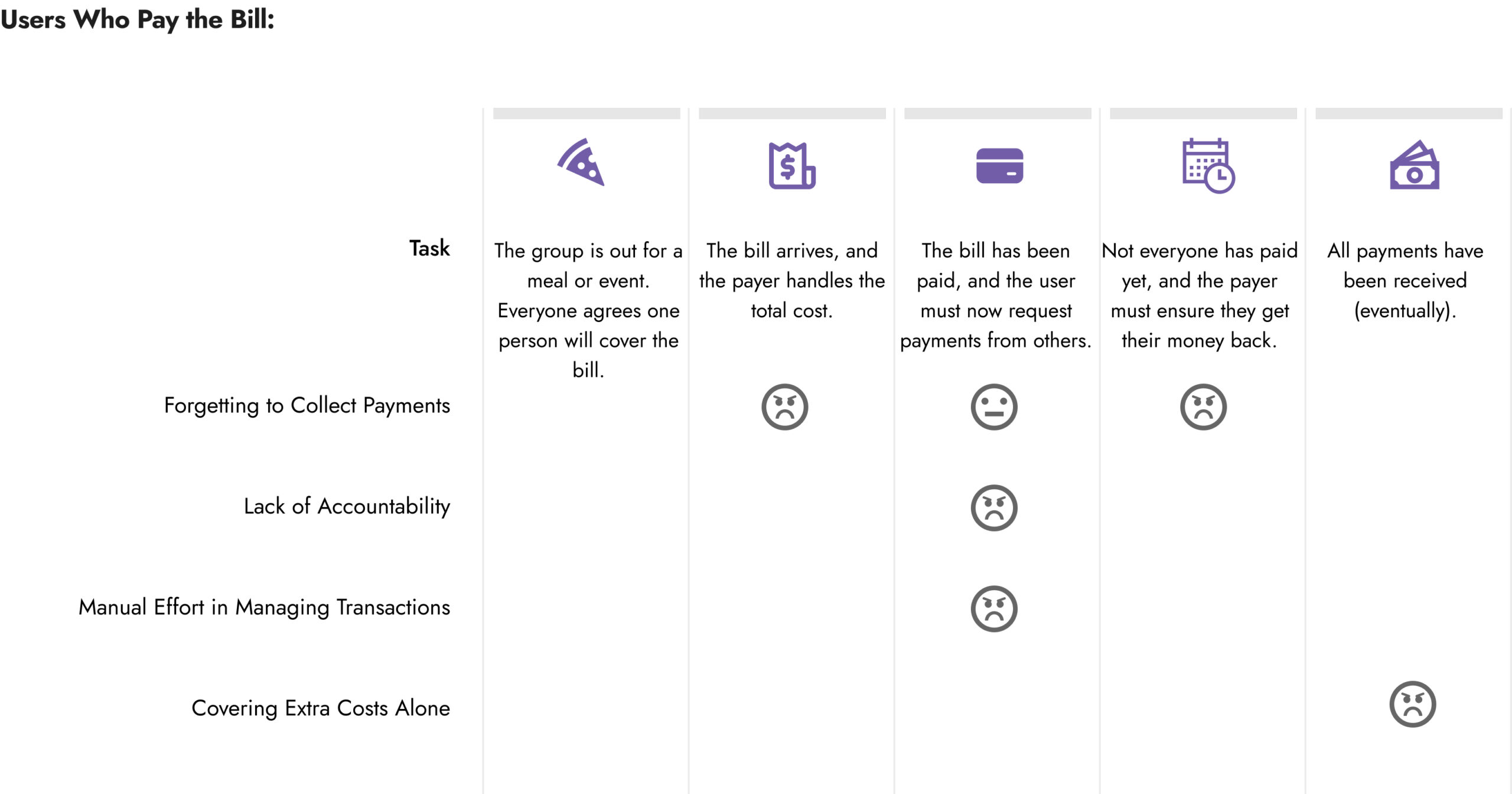
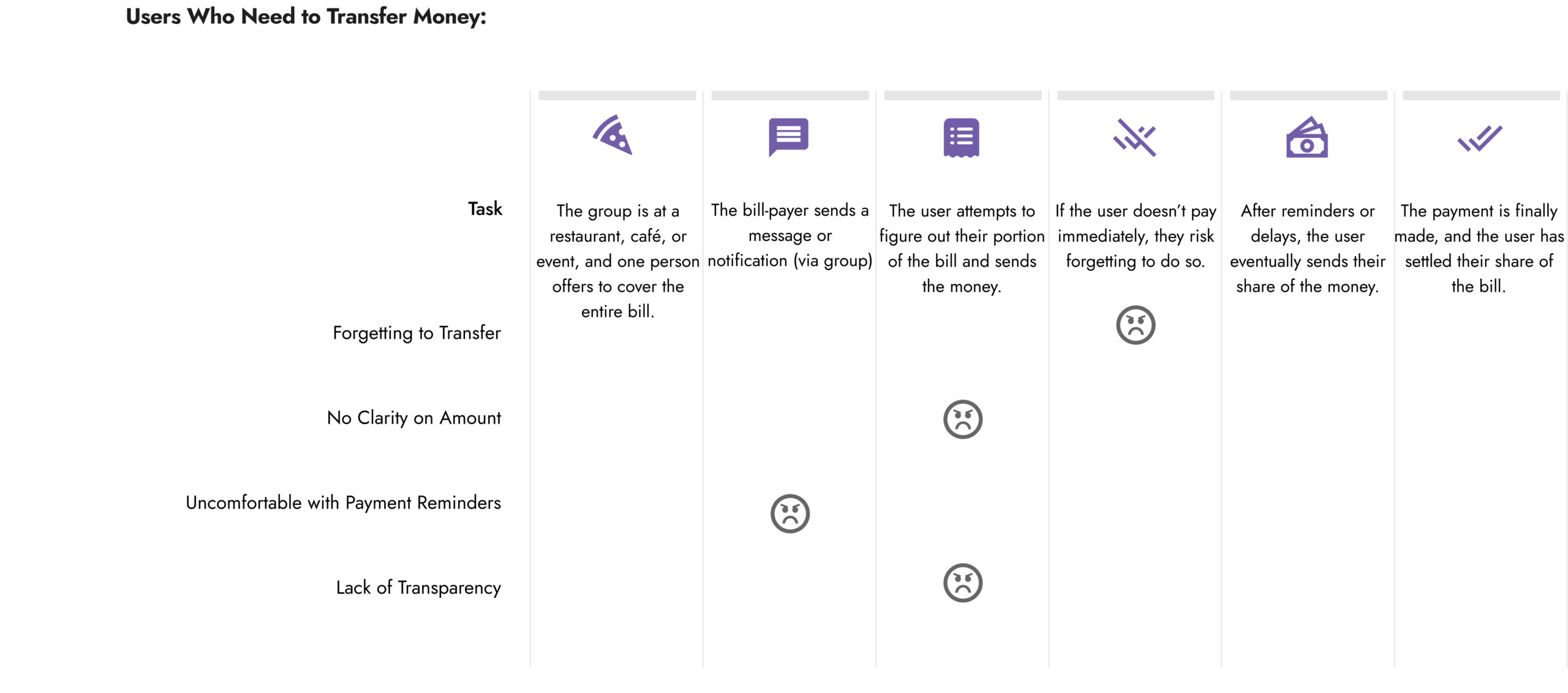
Who experiences this problem?

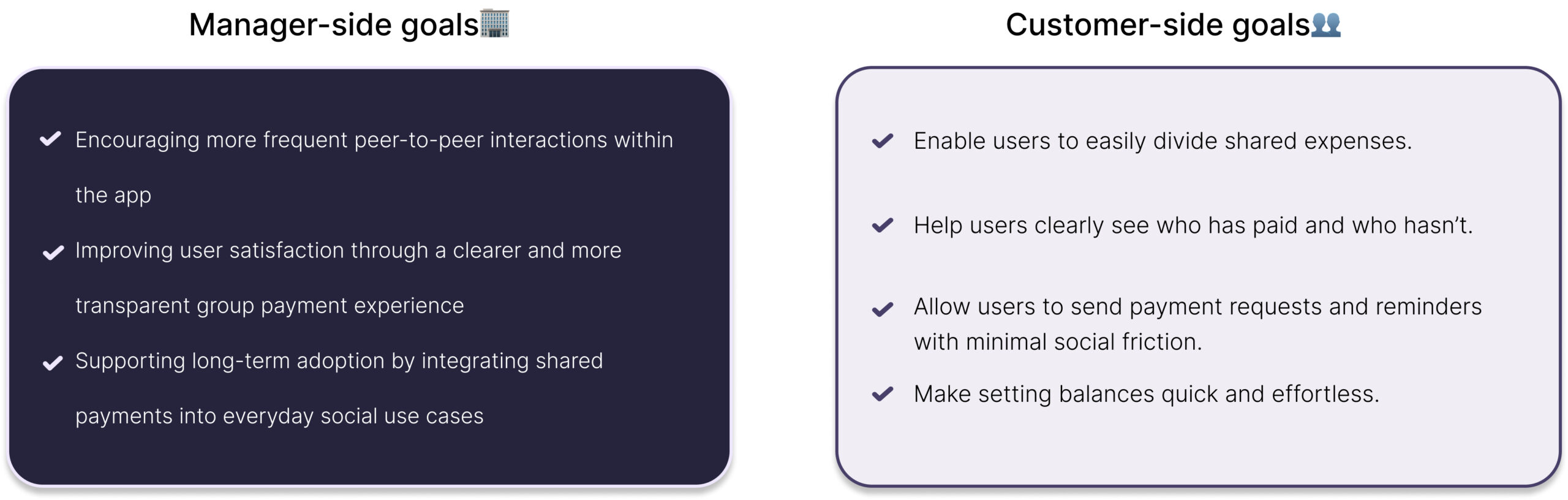
Design Goals

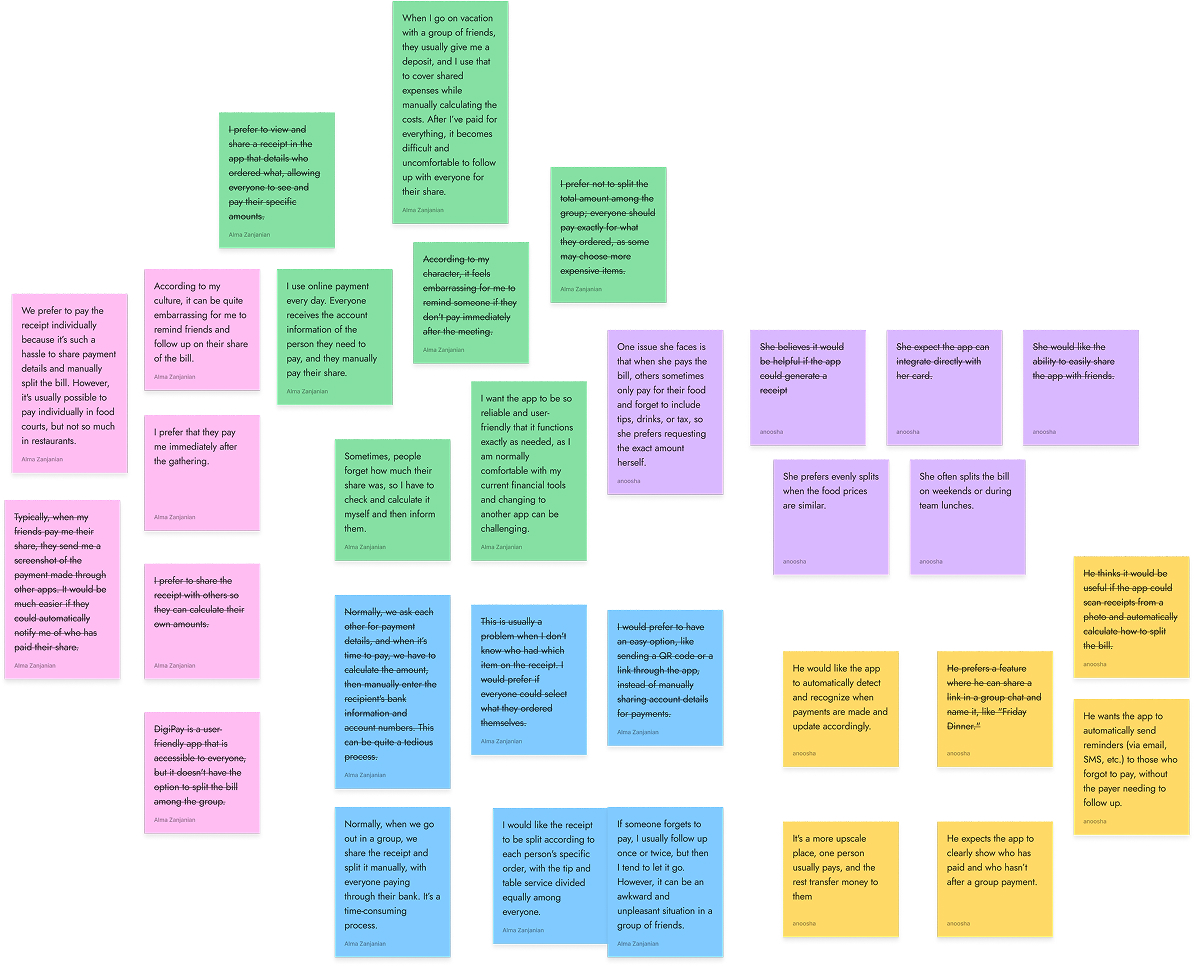
Research Phase

Drag

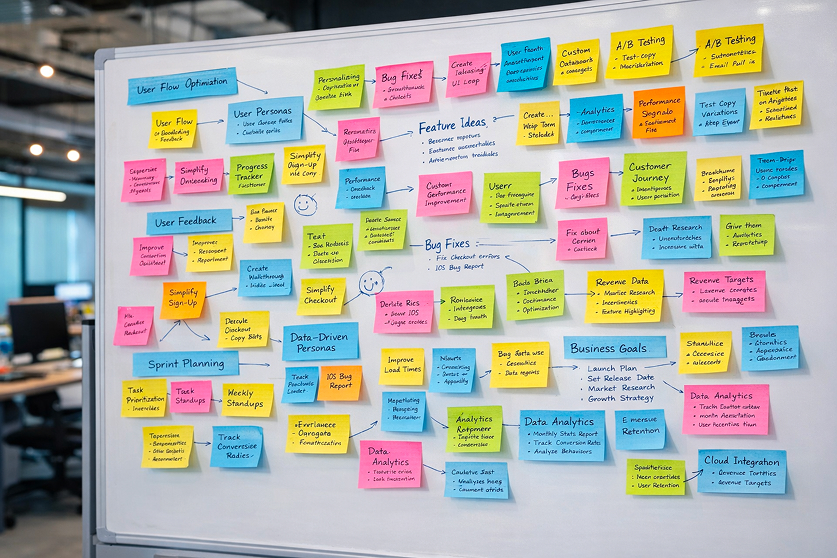
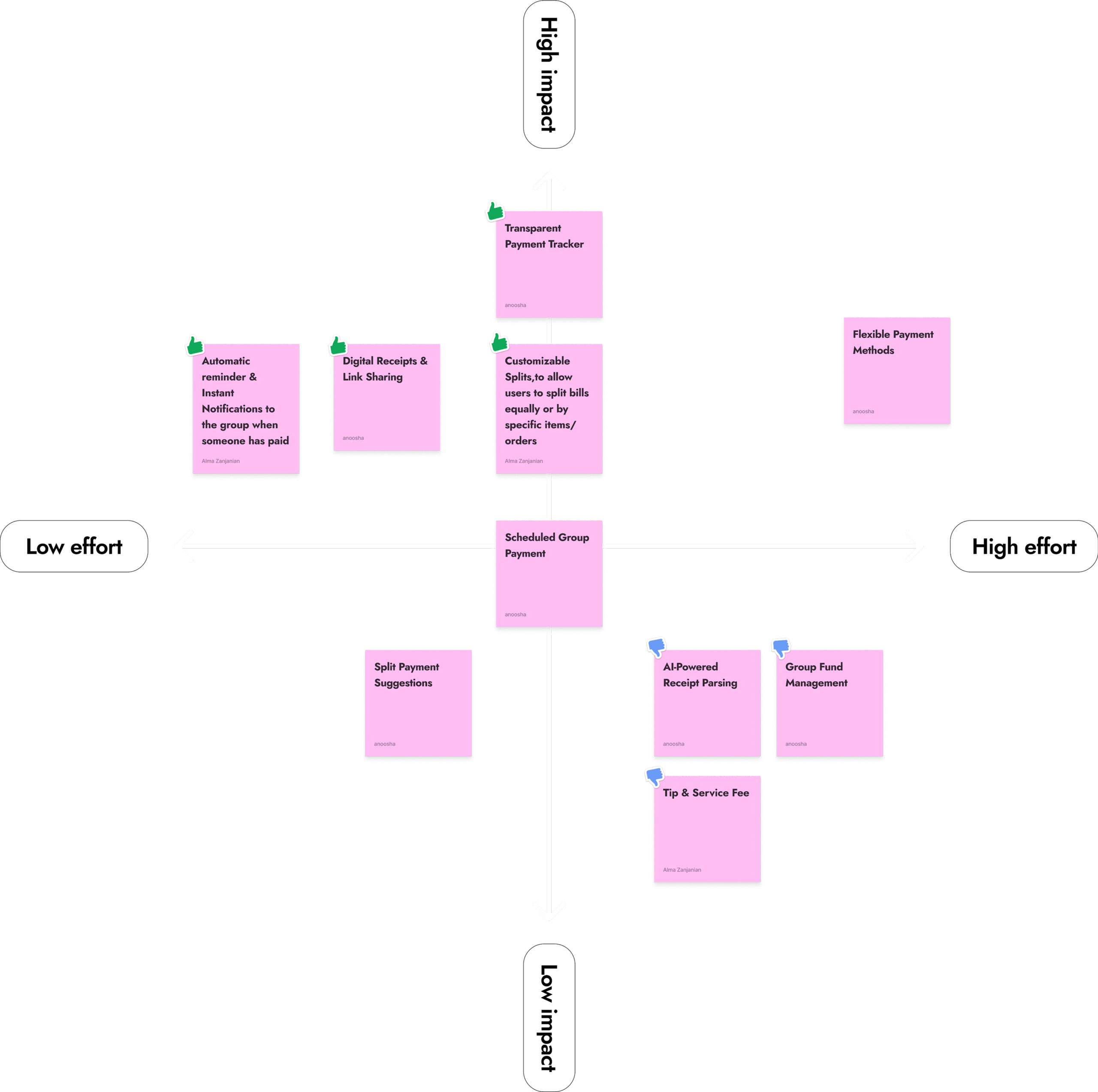
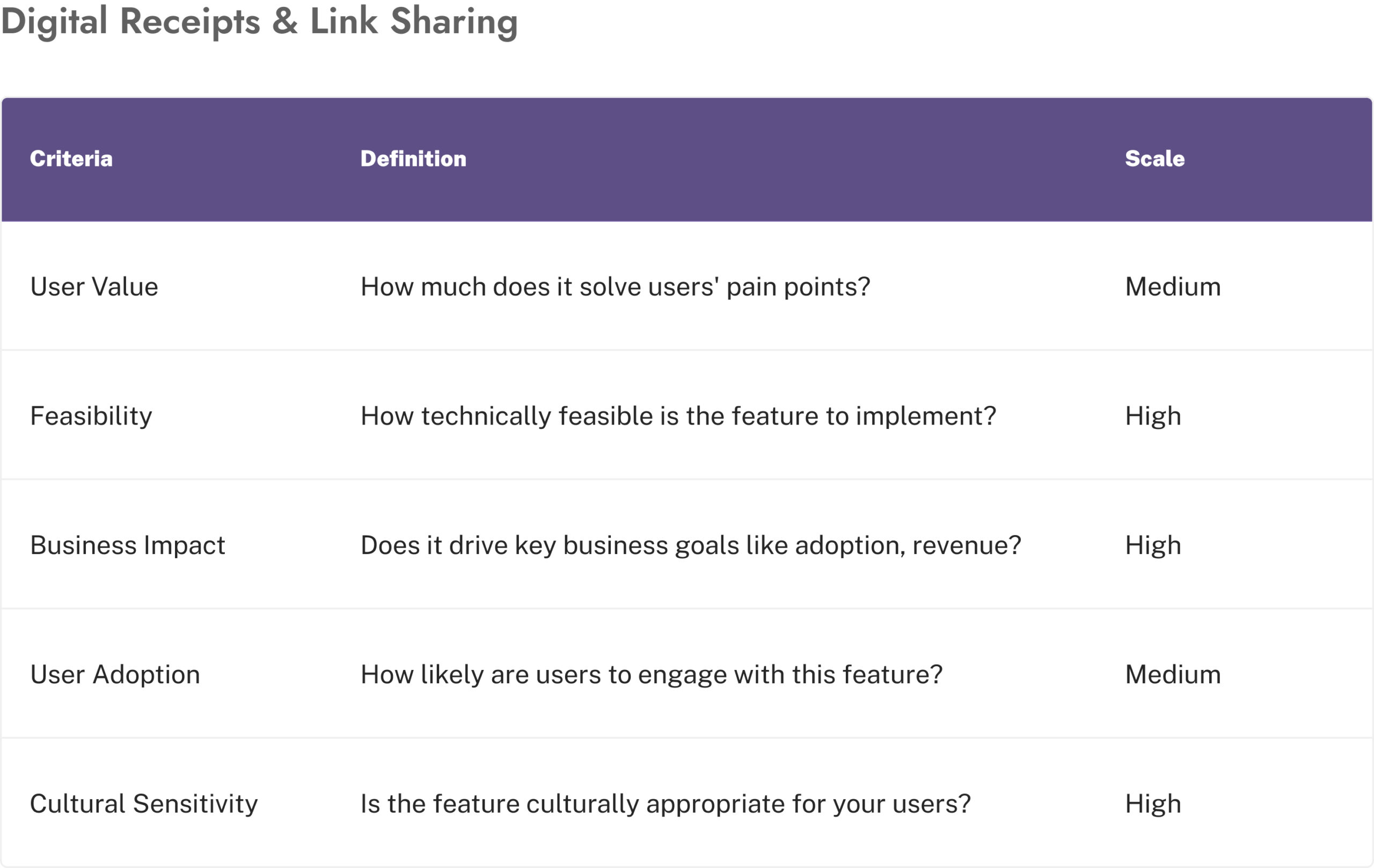
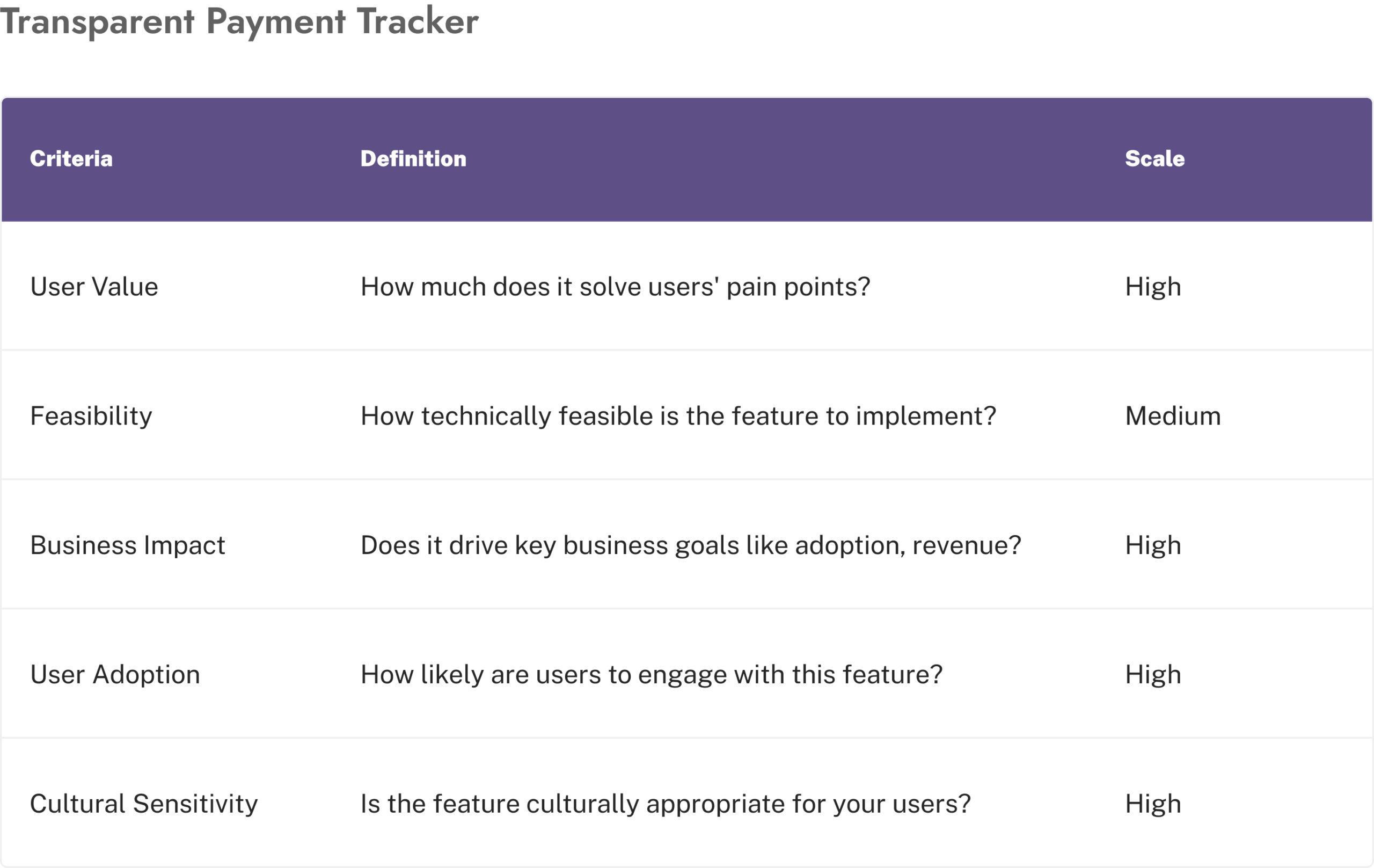
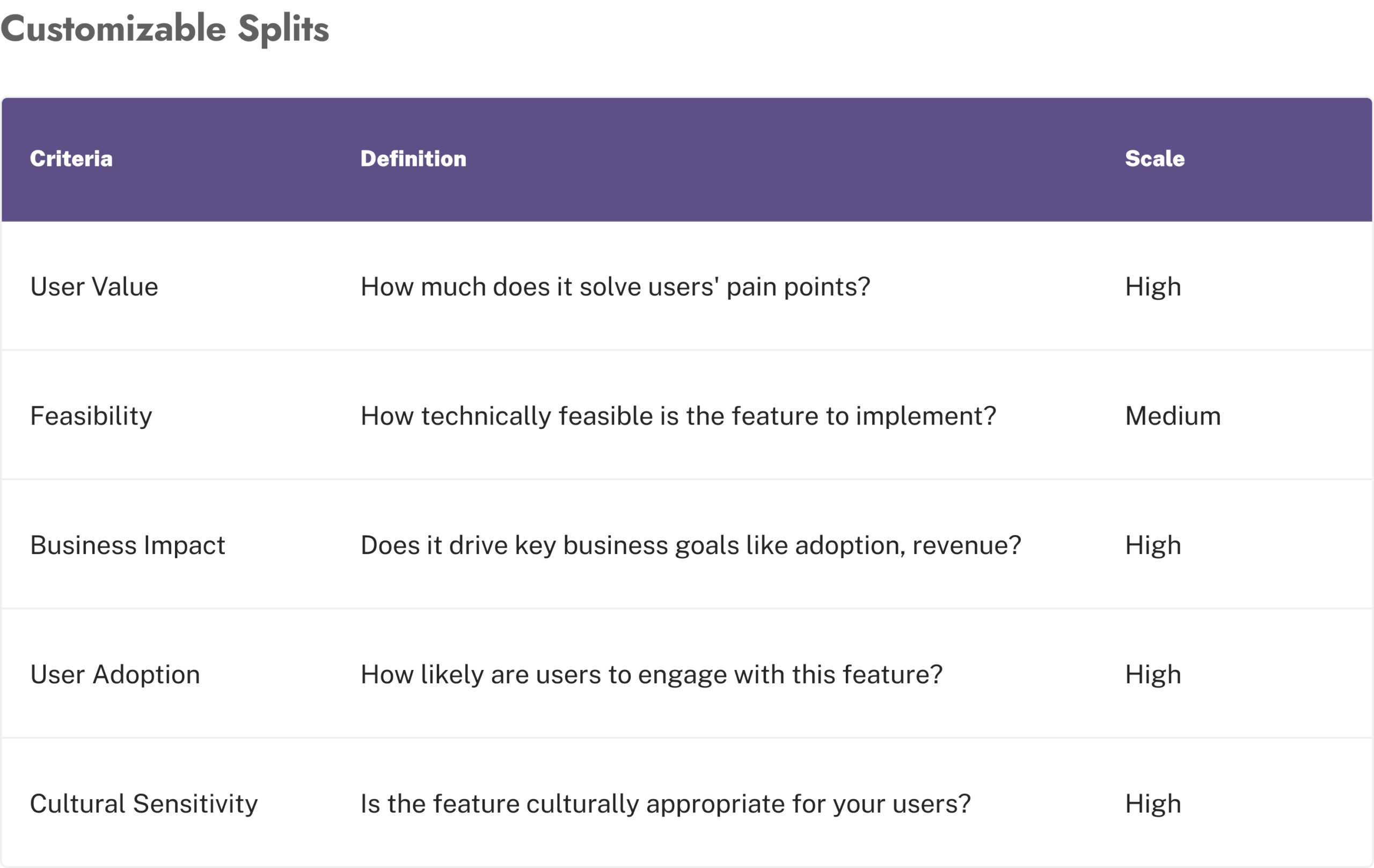
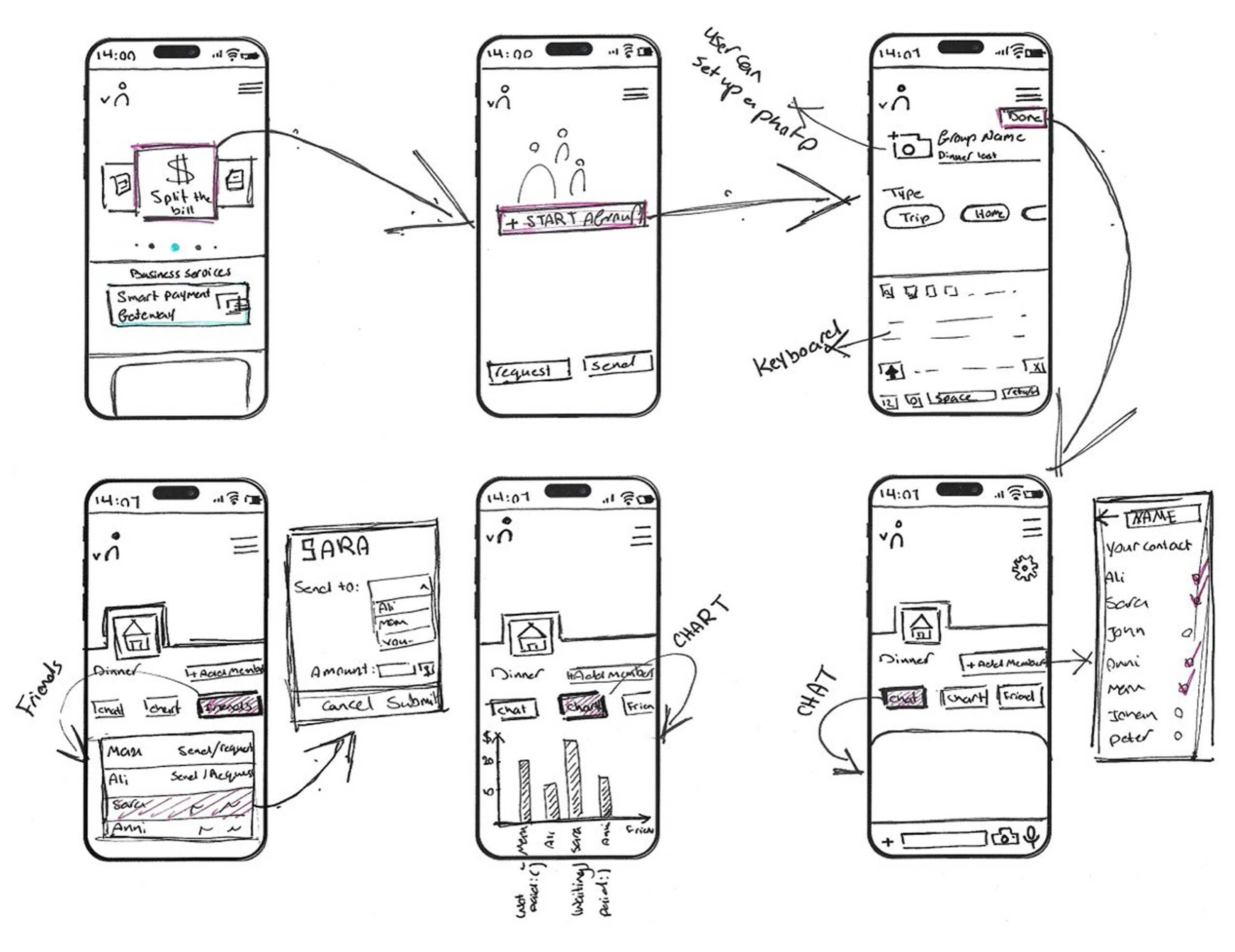
Ideation Phase

Automated Reminders and Notification

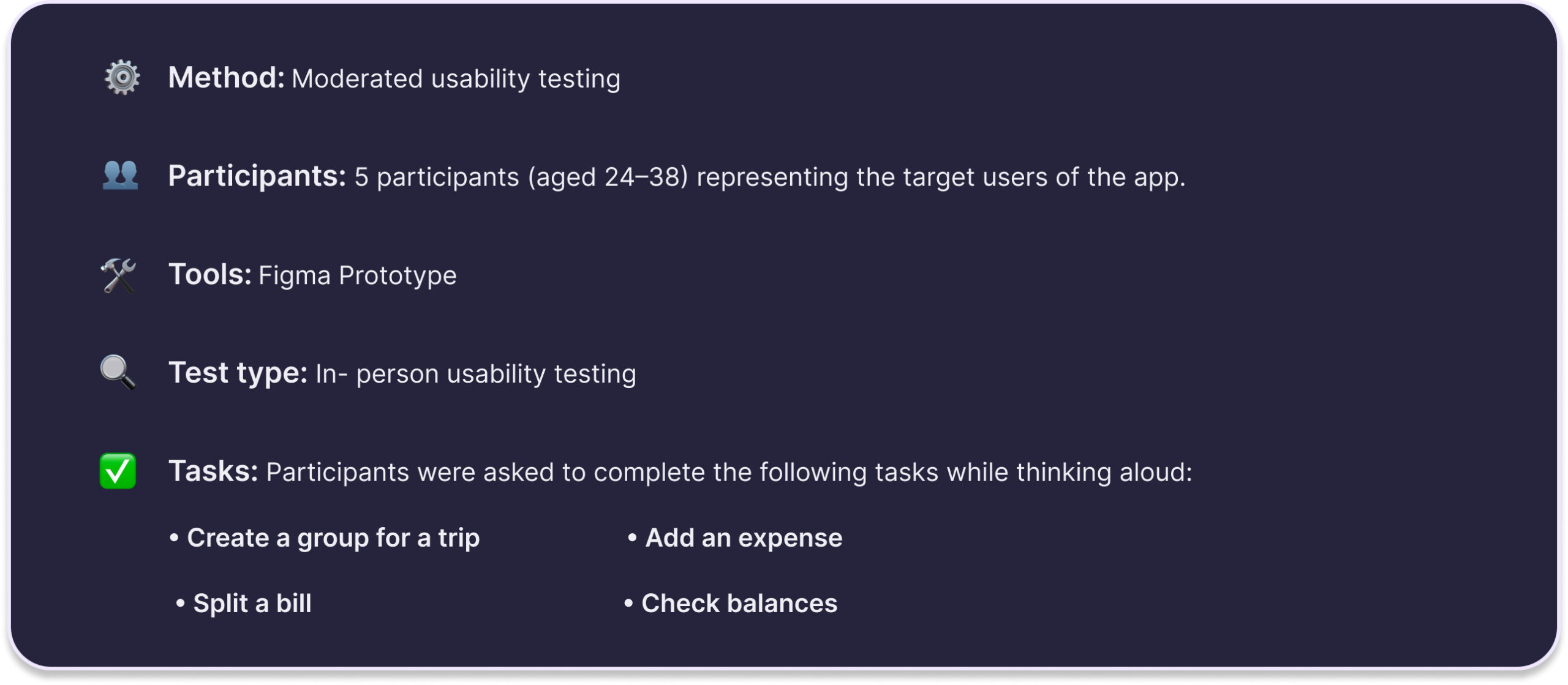
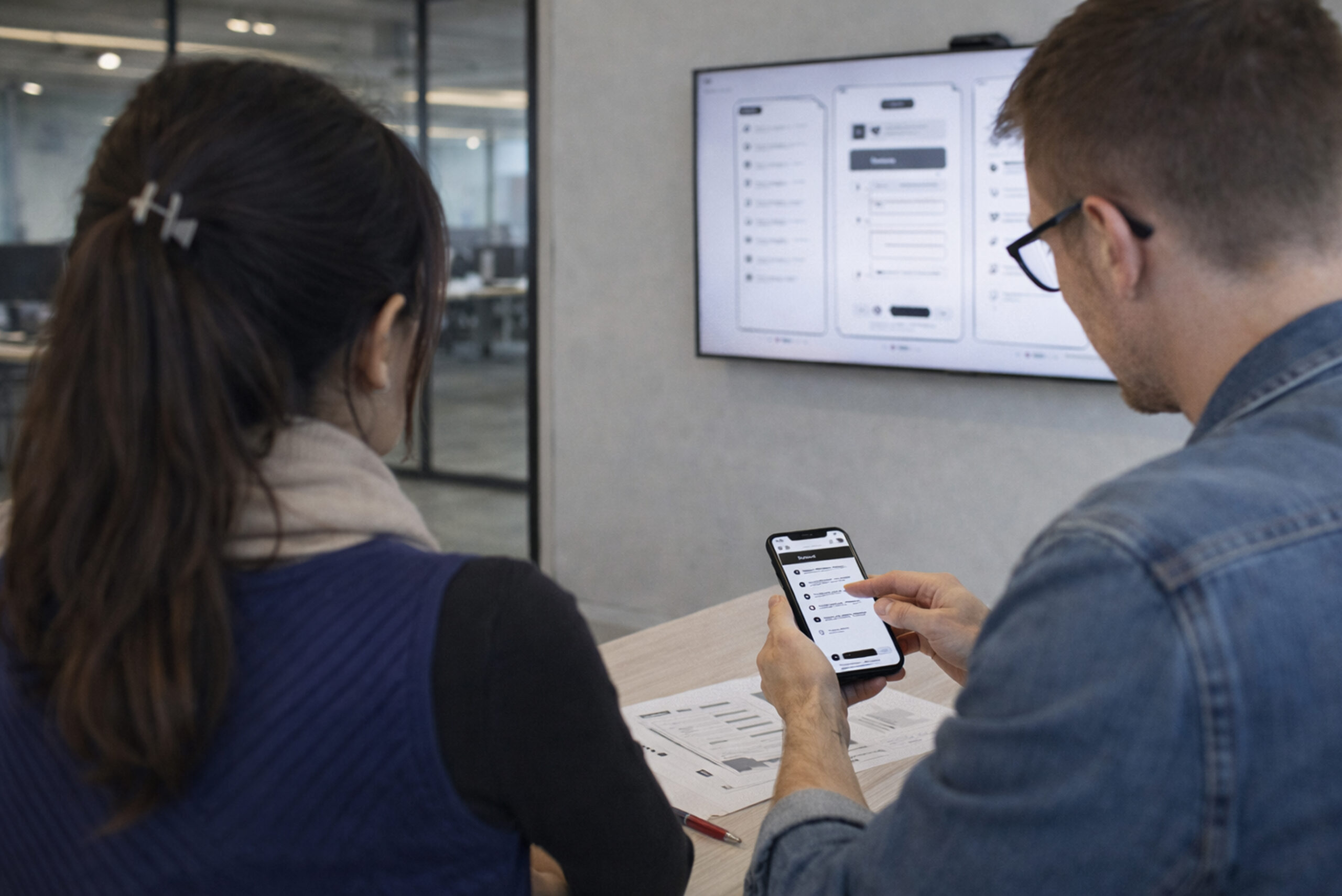
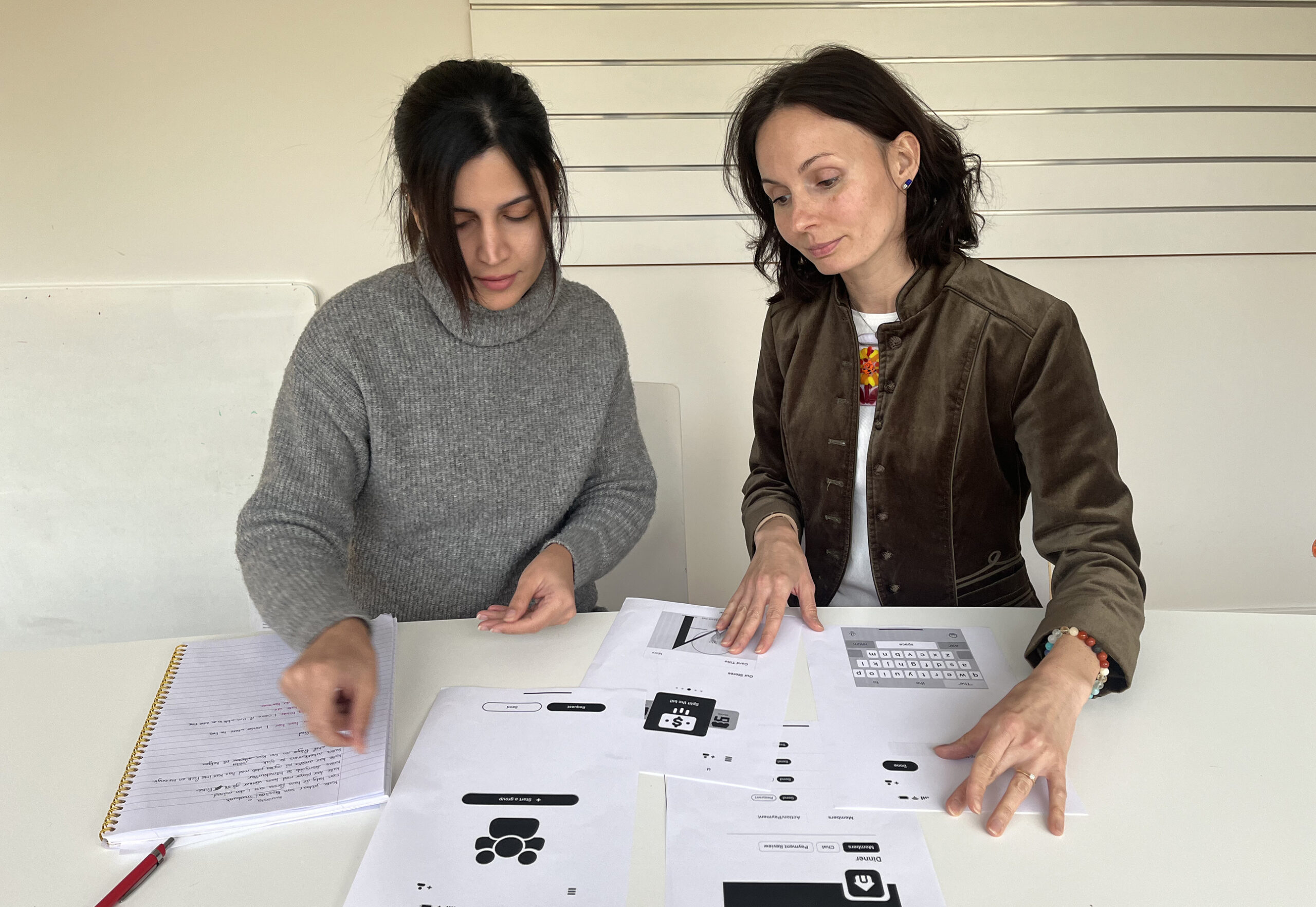
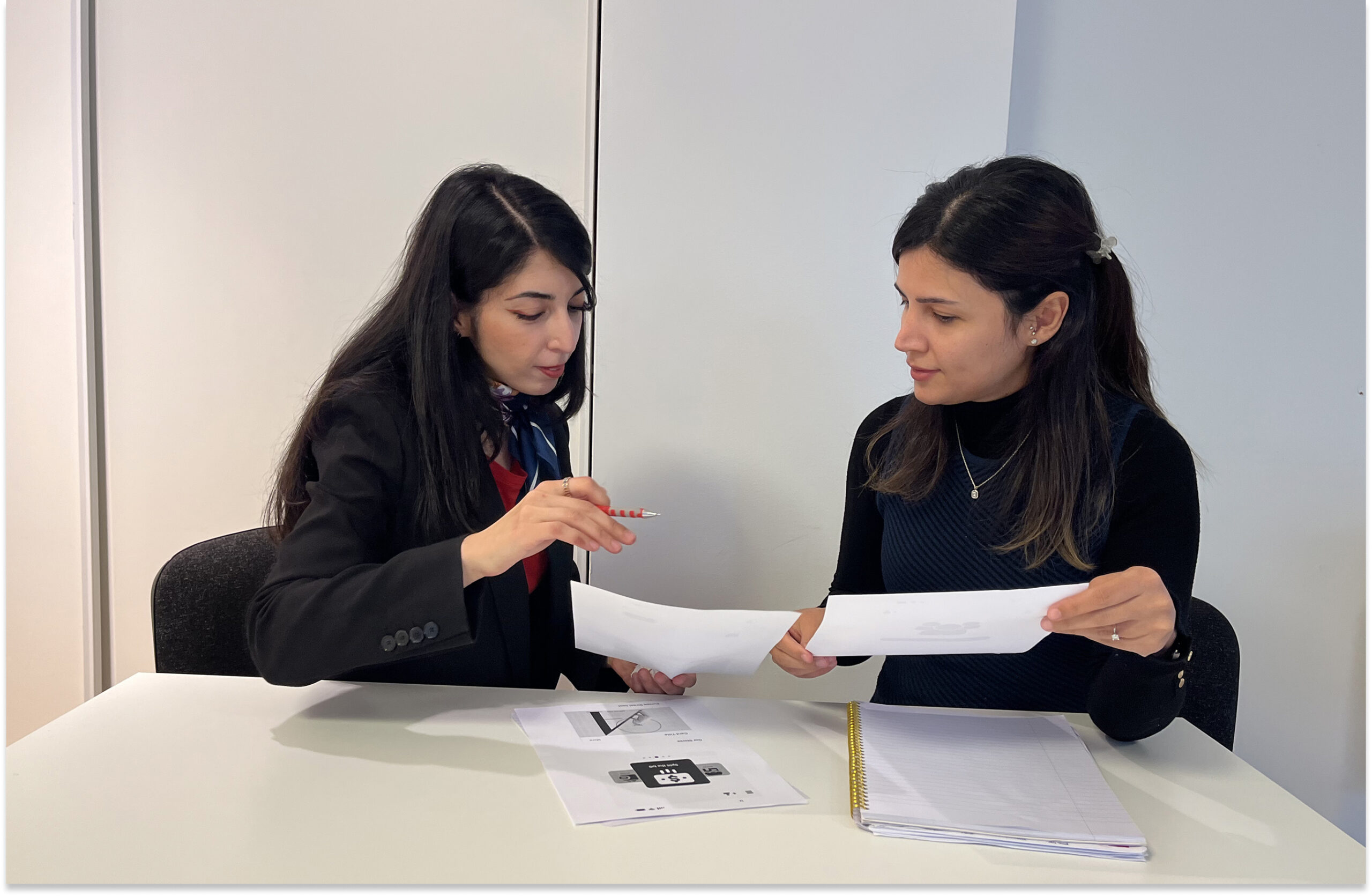
Usability Testing

  • Payment Reminders
  • Group Structure and Organization

  • Bill Upload Capability
  • Net Balance Calculation
  • Flexible Participant Management


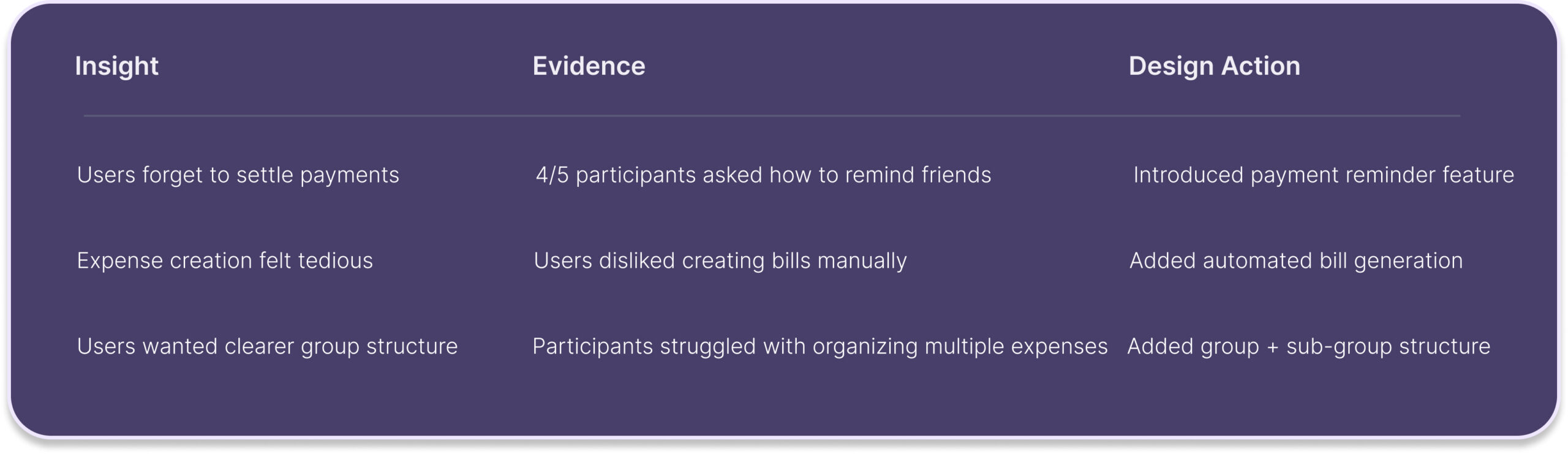
These insights informed several design iterations, including the introduction of hierarchical groups, automated expense creation, and simplified balance calculations to reduce user effort and improve task efficiency.

Flexible Participant Management
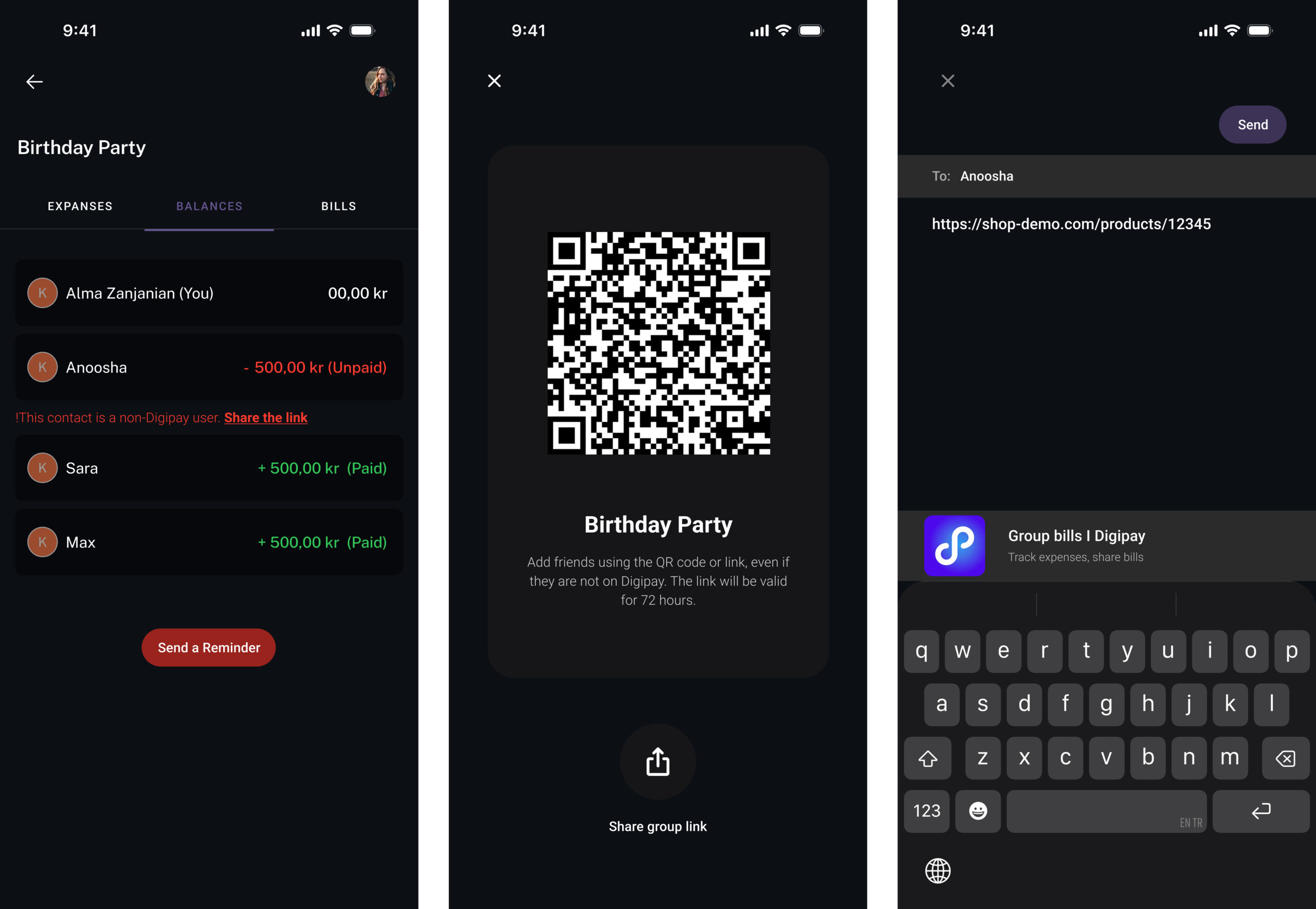
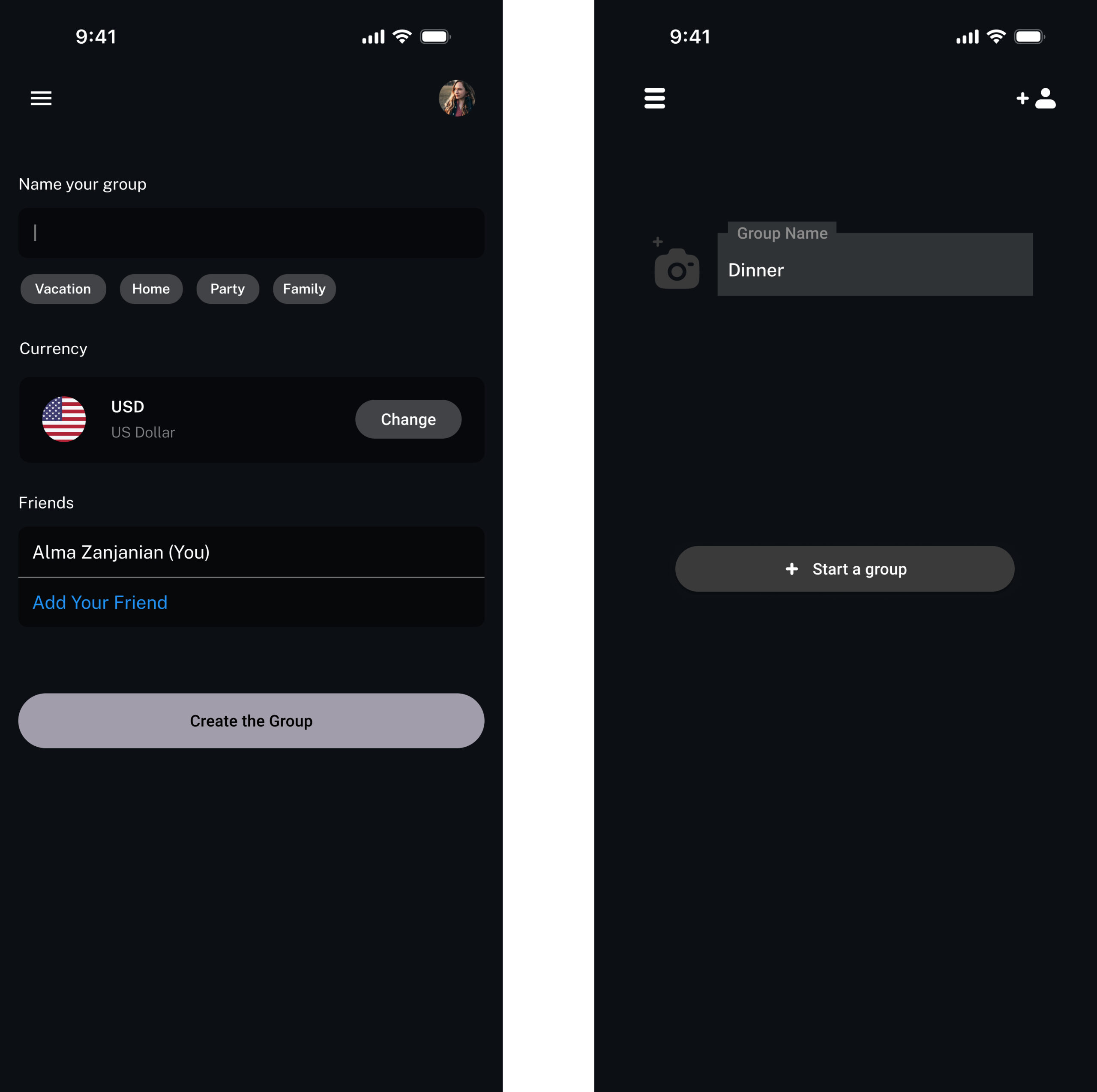
: Users needed a flexible way to include both Digipay and non-Digipay participants. We solved this by enabling invitations via QR code and shareable link.

Net Balance Calculation:
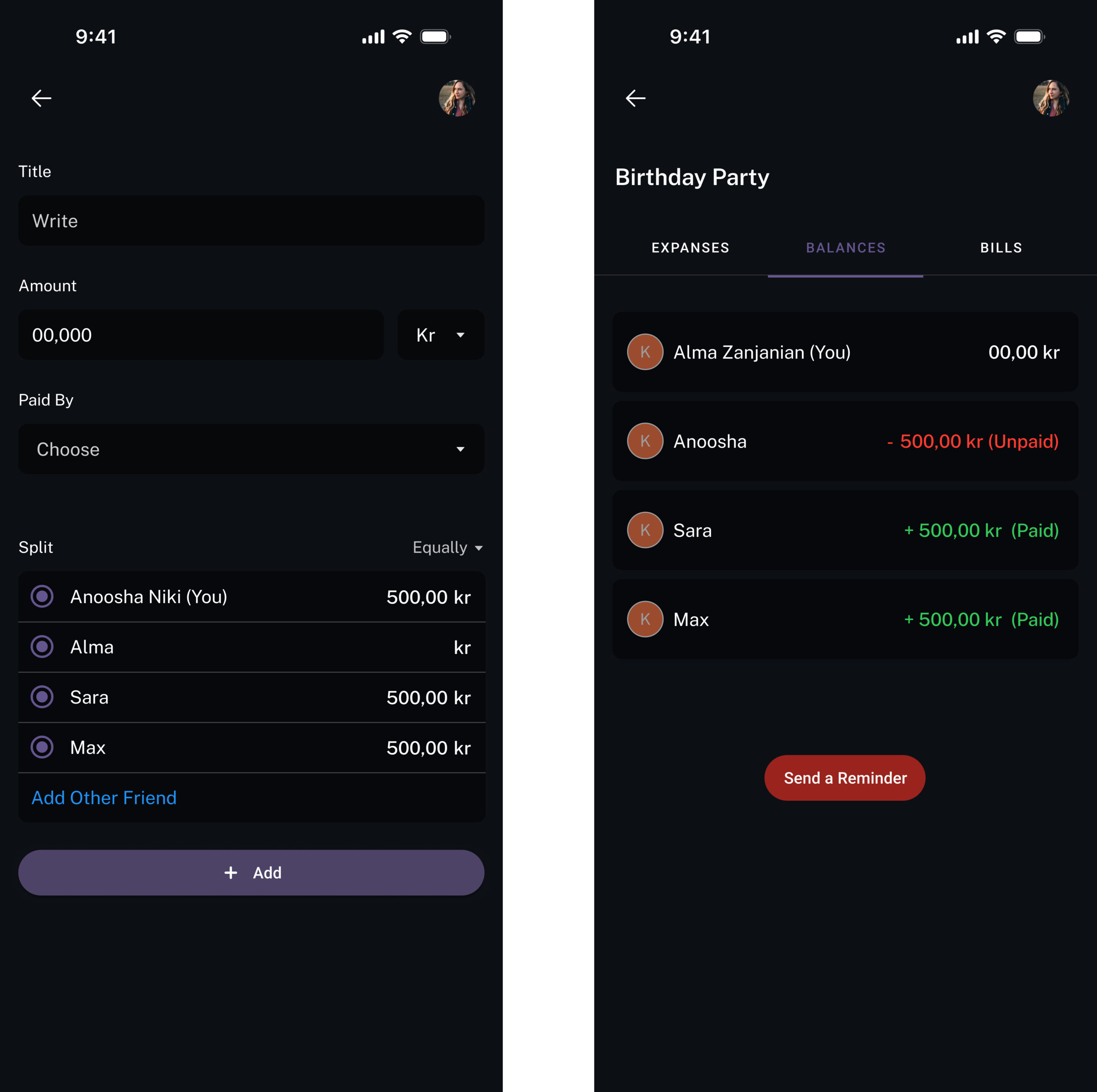
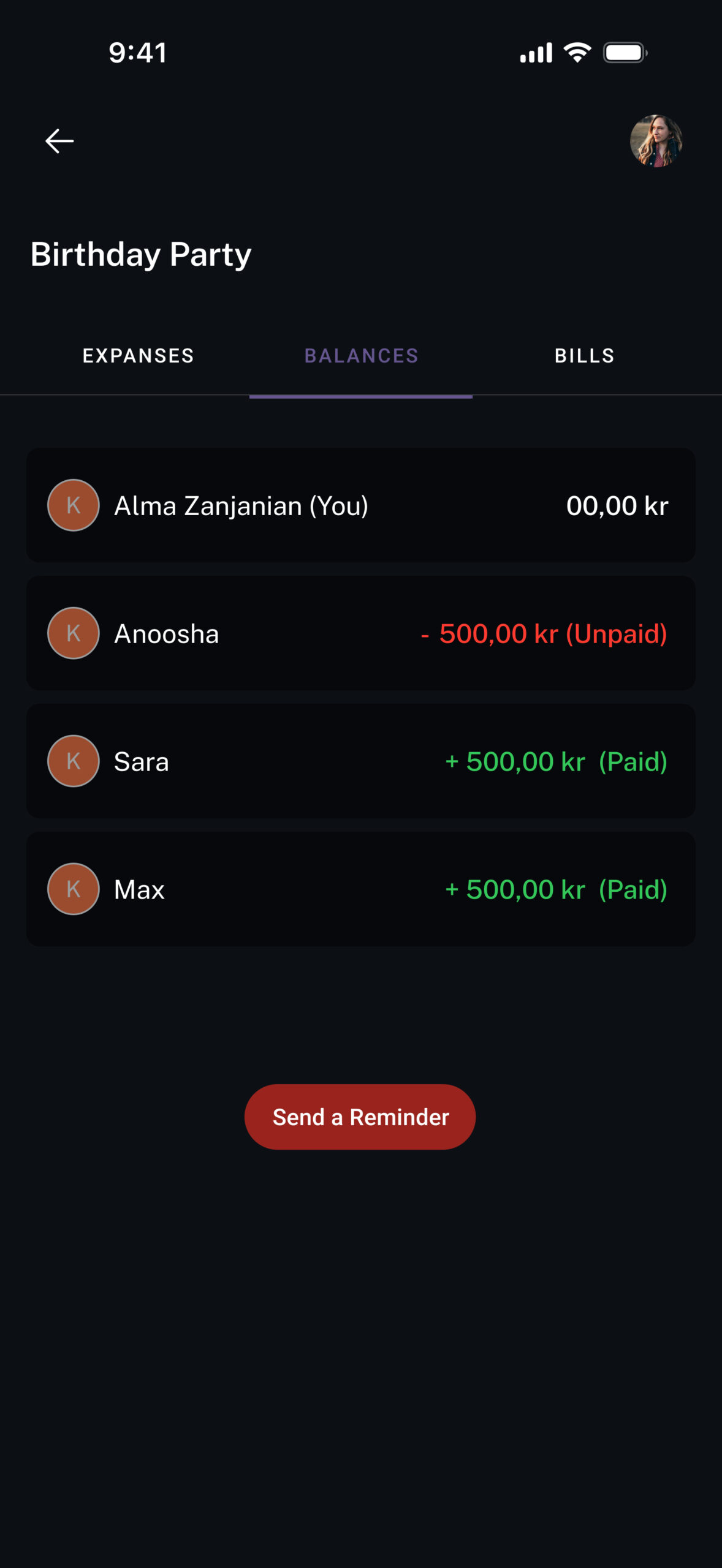
 Users expected the system to automatically calculate the net balance between participants to simplify settlement. For example, if User A owes User B 1000 SEK and User B owes User A 500 SEK, the app should present a simplified result showing that User B owes User A 500 SEK.

Payment Reminders
: Participants expressed the need for a reminder feature that automatically notifies users who have not yet settled their share. A reminder is automatically sent when a group is created. After a few days, user can send a follow-up reminder to members who still owe money .

Group Structure and Organization
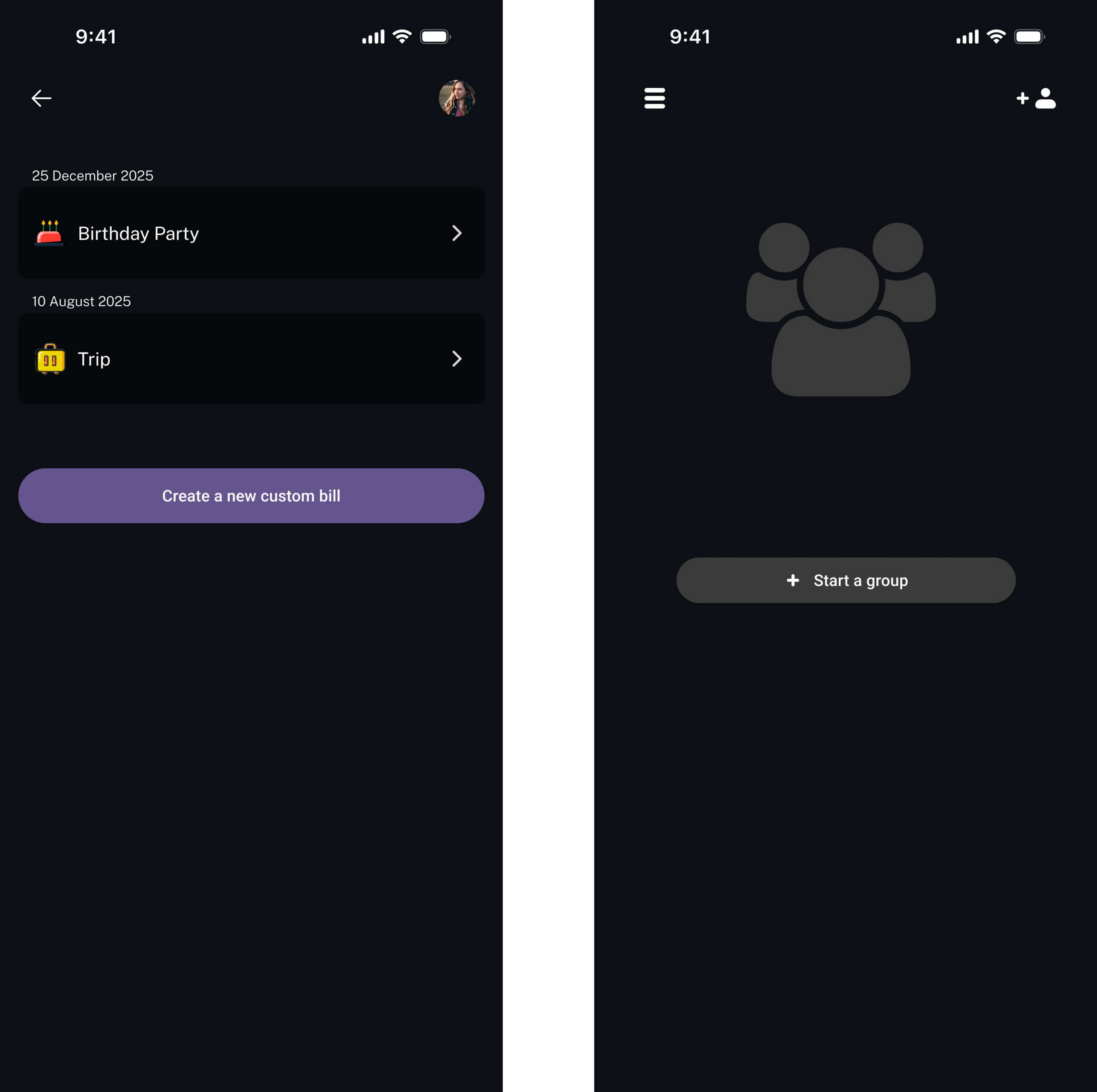
: Users preferred a hierarchical structure for organizing expenses. Instead of creating separate groups for each activity, they wanted the ability to create a main group (e.g., a trip) with sub-groups for individual events such as dinner, lunch, or drinks. This structure was perceived as more intuitive and easier to manage.

Bill Upload Capability
: Several users requested the option to upload or scan receipts directly within the app. This feature would improve accuracy.

Wireframe (High-Fidelity)

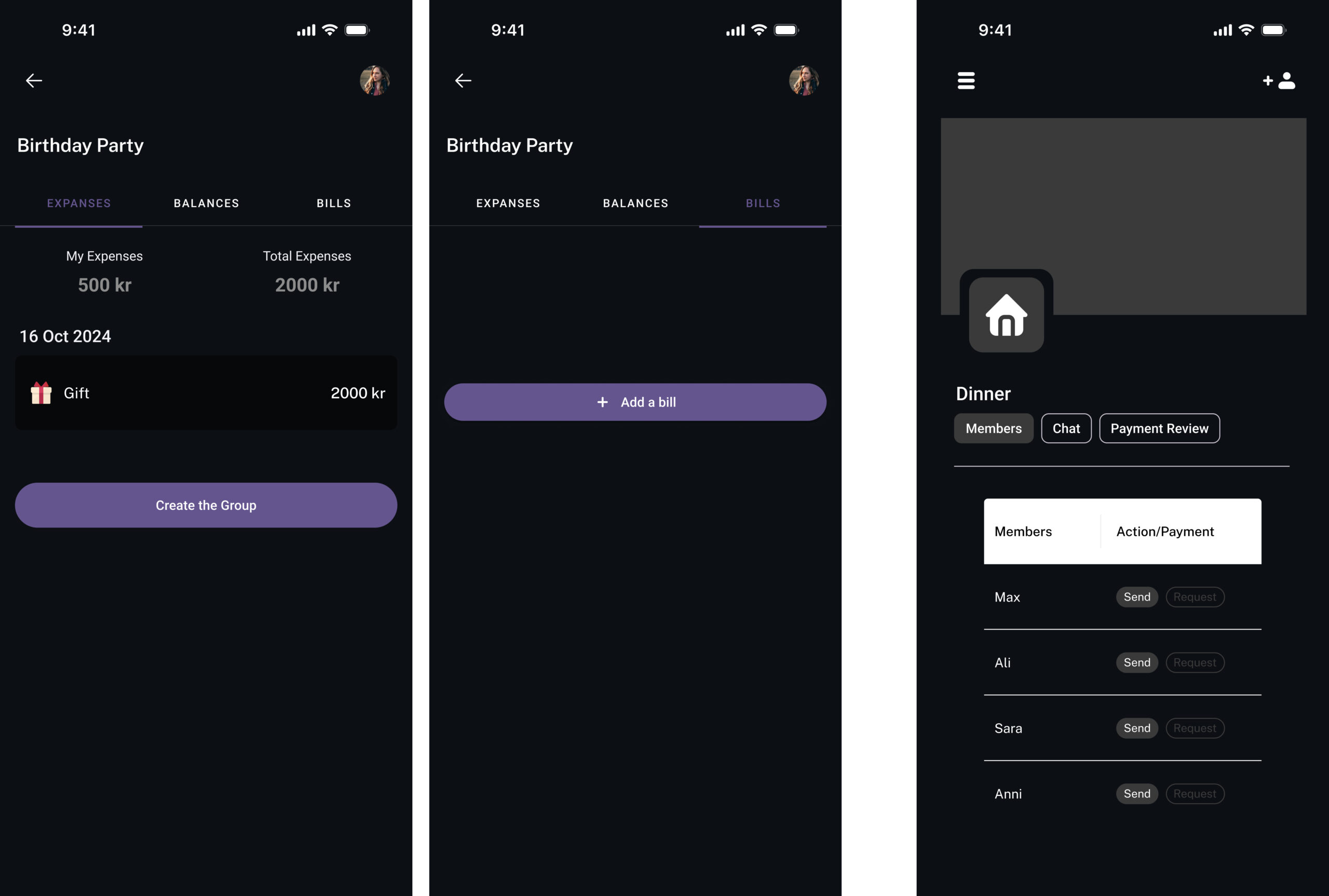
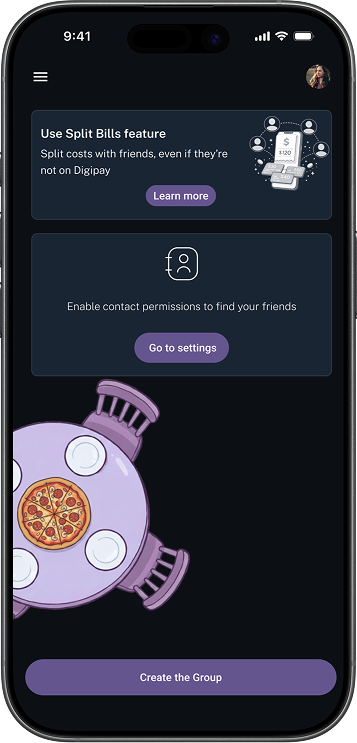
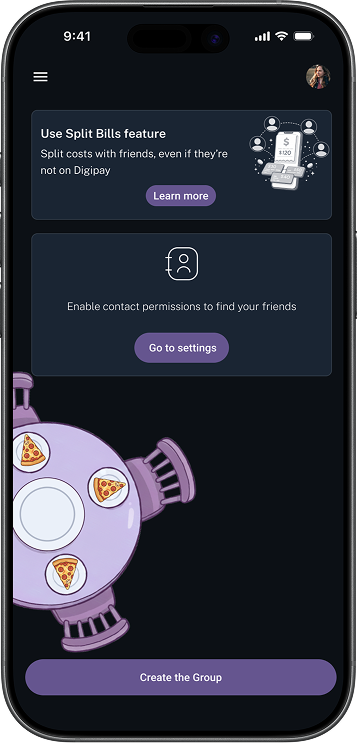
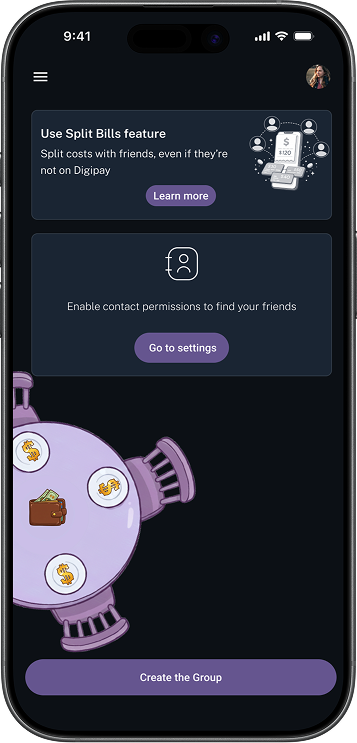
Following key improvements and iterations, we developed high-fidelity prototypes focused on simplifying group expense management, reducing manual effort, and improving clarity across the experience.

By addressing key usability gaps, this solution transforms a fragmented experience into a structured and intuitive flow. The design reduces cognitive load, supports flexible real-world scenarios, and creates a more scalable foundation for future features.

Key Learning

This project reinforced the importance of designing around real user behavior rather than ideal assumptions. Users naturally think in terms of events and contexts (e.g., a trip with multiple activities), which highlighted the value of introducing hierarchical group structures to better match their mental models.

It also emphasized how small system-level decisions—such as automated balance calculations and payment reminders—can significantly reduce cognitive load and manual effort, leading to a more seamless experience.

Another key learning was the need for flexibility in real-world scenarios. Supporting both platform users and non-users through simple invitation methods (like shareable links and QR codes) proved essential for creating an inclusive and scalable solution.

Overall, this project strengthened my approach to simplifying complex flows by combining clear structure, automation, and user-centered thinking.